
AOMARK SERVICES
Ecommerce SEO built around your catalog
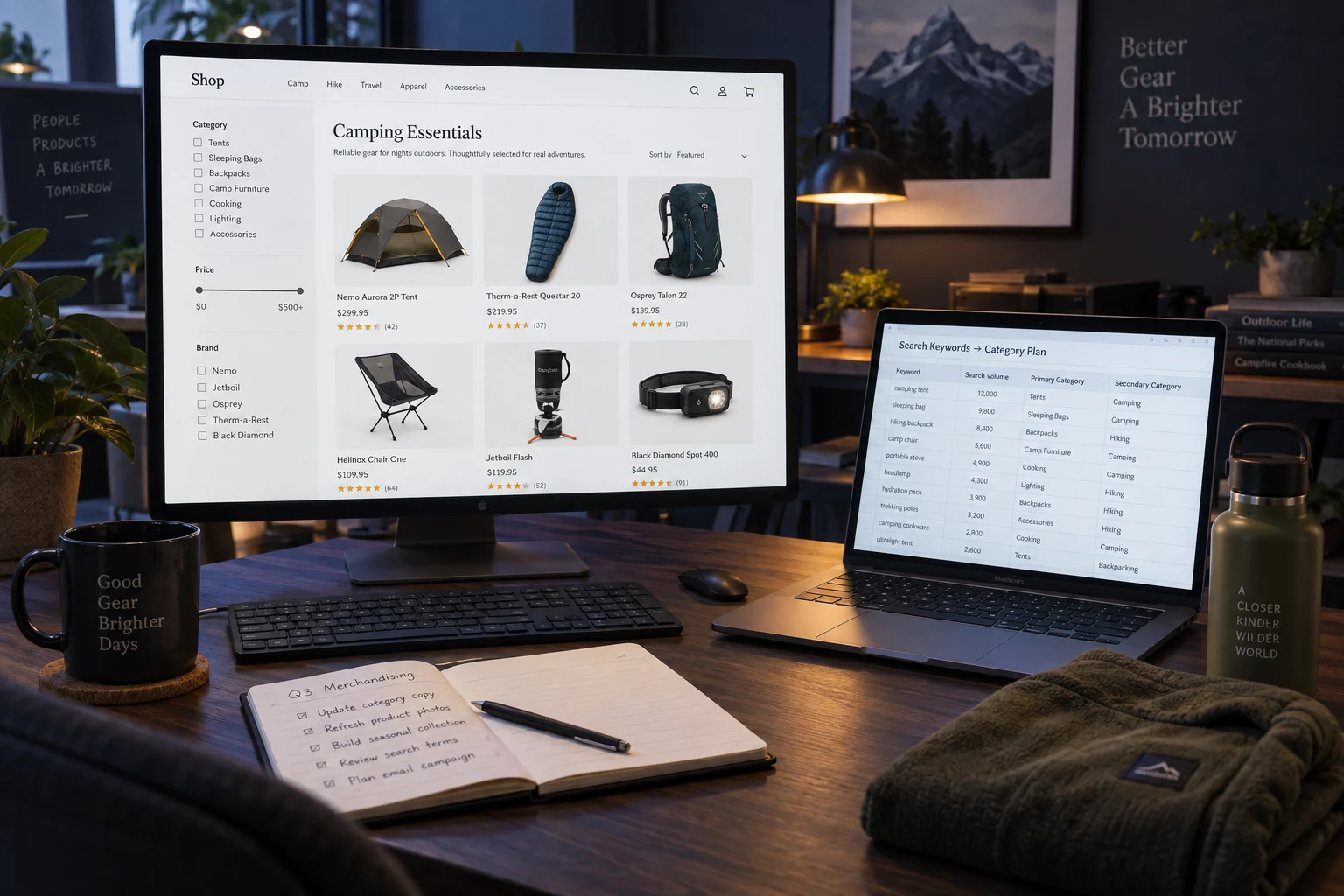
An online store needs more than traffic to its homepage. Customers need to find the right category, compare products and reach the information that helps them buy. We connect those journeys with the search work behind them.
01
Find the right products
Give important categories and products a clear role in search and navigation.
02
Resolve catalog friction
Review filters, duplicate URLs, product information and the technical foundation.
03
Connect content and commerce
Use helpful content and internal links to support the buying journey.
THE STARTING POINT
Give important products and categories a clear role
We start with your catalog, target markets and available search data. The question is which categories and products deserve attention first, and whether the current website gives those pages a clear role.
FROM OUR WORK
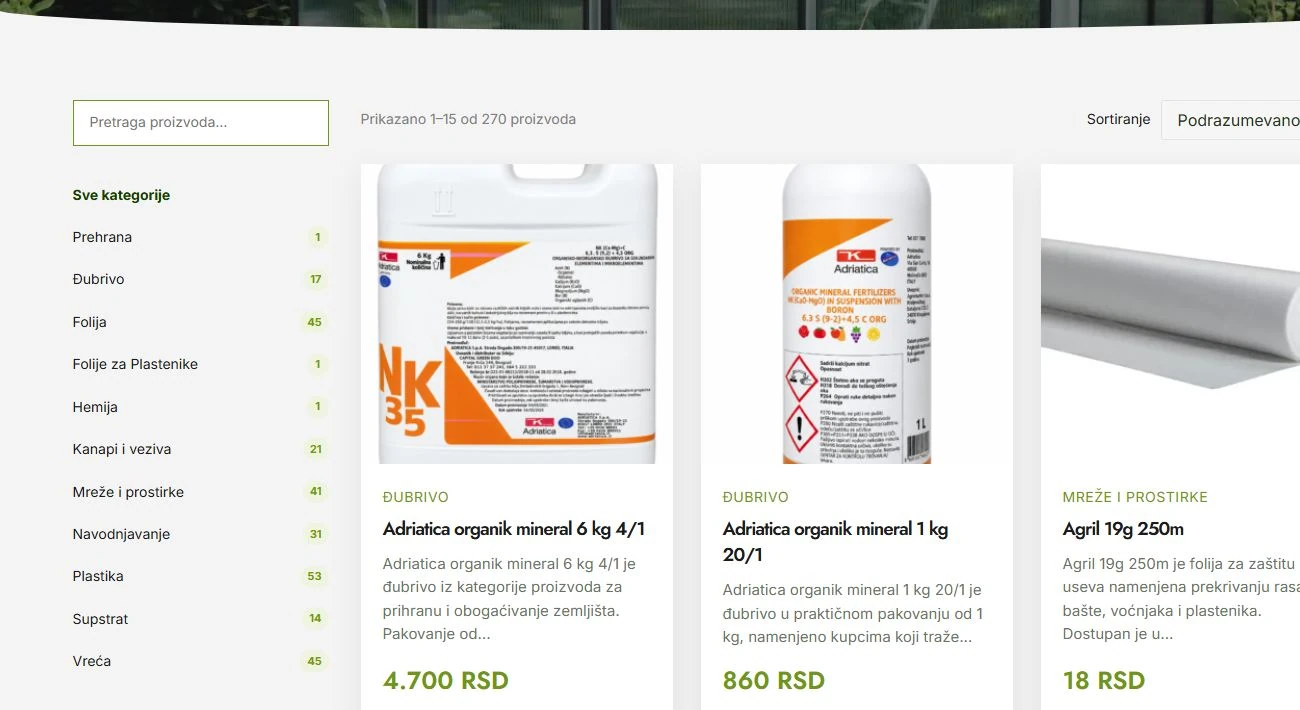
Inside the Veltom catalog
Category filters and product information working together in WooCommerce.
Treat the catalog as one connected journey
A category helps a shopper explore options. A product page explains a particular item. A buying guide answers the questions that sit between those two steps. We review how these pages connect rather than optimizing each one in isolation.
The technical work follows the way your store operates: filters, variations, stock changes, pagination and shared templates. Priorities need to make sense for both search visibility and the people managing the catalog.
WHAT WE LOOK AT FIRST
- CategoriesWhere customers explore and compare the range.
- ProductsThe specific information needed to choose an item.
- ConnectionsFilters, guides and links that help customers continue.
THE STARTING BRIEF
A focused set of category, product and technical priorities for the store.
WHAT WE DO
Connect search demand with the right products.
An ecommerce SEO plan needs to account for the whole catalog without treating every product as a separate project.
We prioritize categories, shared templates and selected products, then coordinate the content and technical work with your team.
Give categories a clear search purpose
We map relevant searches to categories, subcategories and product pages. The aim is to identify where existing pages already answer the need and where the structure leaves an important gap.
Research considers product terminology, customer questions and the way people compare options. Recommendations follow the range you actually sell, rather than creating thin pages for every possible keyword variation.
What this can produce: A keyword-to-page map, category priorities and selected page briefs.
Resolve technical catalog friction
We review how search engines and visitors reach the catalog, including internal links, duplicate routes, canonical signals and the behavior of filters and product variations.
Changes to shared templates can affect many pages. We define the intended behavior with your developers and separate a useful browsing option from a page that should have its own search purpose.
What this can produce: A prioritized technical review with specific page and template requirements.
Make buying information easier to find
Category introductions should help people choose. Product content needs the information relevant to the item: specifications, compatibility, use cases, images and the questions customers regularly ask.
Supporting guides and internal links connect that information to the right products. We improve what is useful before adding more content, coordinating descriptions and factual details with the people who know the range.
What this can produce: Revised category content, product-content guidance and a supporting content plan.
Connect implementation with measurement
We can implement agreed improvements on WordPress and WooCommerce or coordinate them with your existing team. The work is organized by priority and the effect of shared changes.
Available search, landing-page and conversion data helps us review progress. Sales also depend on stock, pricing, the offer and checkout experience, so reporting needs to keep those factors in context.
What this can produce: An implementation plan, completed-work summary and the next catalog priorities.
RELATED WORK
Product discovery in practice
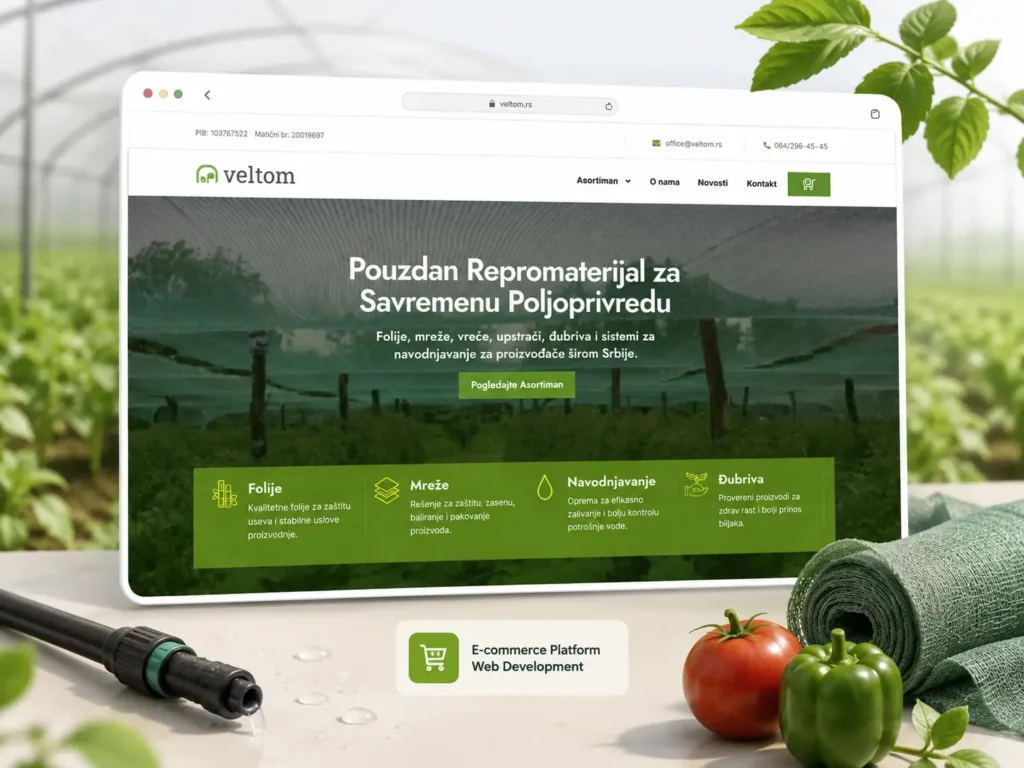
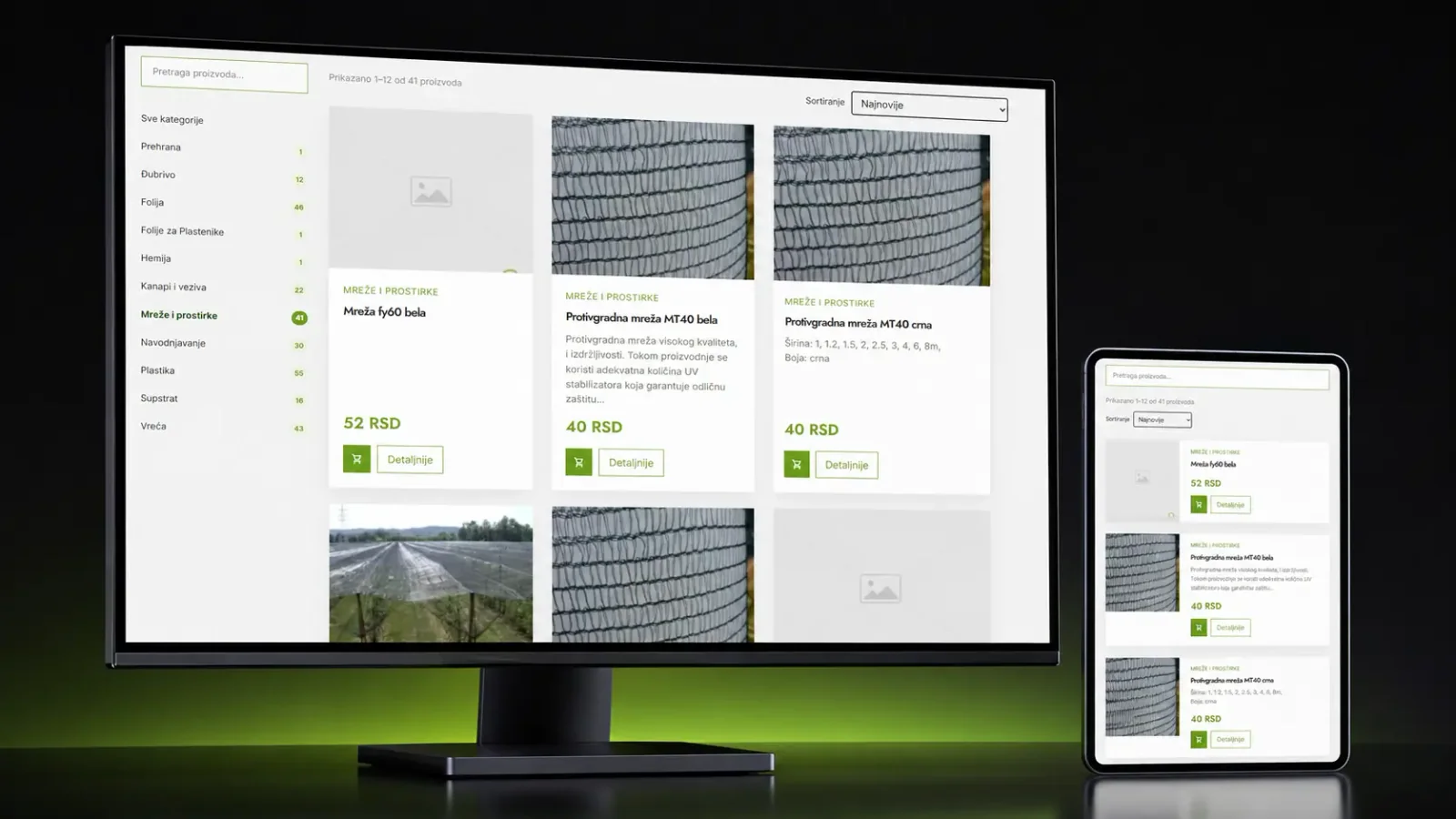
Two views of the Veltom project: the website around the catalog, and the browsing experience inside it.
ECOMMERCE / PRODUCT DISCOVERY
Veltom
A WooCommerce catalog with product categories, search and filters built around agricultural supplies.
VELTOM / THE BROWSING EXPERIENCE
Inside the Veltom catalog
See how category filters, product information and navigation support a broad product range.
WORKING TOGETHER
Improve the catalog in manageable stages.
We begin with the pages and technical issues that matter most to your store. The plan can then expand as the first changes are implemented and reviewed.
- Understand the storeReview the catalog, platforms, markets, available data and the way customers browse.
- Choose the first prioritiesAgree on the categories, templates and technical issues to address, with clear content and development ownership.
- Implement the changesCoordinate page improvements, shared template work and internal links with the people maintaining the store.
- Review and continueDiscuss completed work and available performance data, then adjust priorities as the catalog and business change.
FIT THE WORK TO YOUR BUSINESS
Built around the store you actually run.
Our Veltom work connects WooCommerce development with category navigation, product discovery and SEO. The project examples below show the website and the browsing experience within the catalog.
If the store needs a broader rebuild, we can connect the plan with website redesign. For clearer reporting on customer actions, explore analytics and automation.
A LITTLE MORE CLARITY
Common questions
Can you improve an existing WooCommerce store?
Yes. We can review the current catalog and SEO setup, then define an improvement plan around the store’s priorities.
Does every product need a separate SEO project?
No. We look at the catalog as a system. The work may involve shared templates, important categories, individual products and supporting content.
Will the work guarantee more sales?
No. Sales also depend on the offer, pricing, availability, website experience and other factors. SEO work focuses on relevant visibility and a clearer route from search to the store.
Can you handle development changes too?
Development can be included in the scope or coordinated with your existing team.
LET’S CONNECT THE DOTS
Start with your store’s priorities
Send us the store URL, main product categories, target markets and the issues you want to address.
What helps us understand the project
Your current website, the audience you want to reach and the main problem you want to solve. Add any timing or scope you already have in mind.